The view of VR’s evolution in 2026 is still forming, but even in the first weeks of January, what is clear is that this year is likely to deliver the goods when it comes to hardware. After leaks, previews, announcements, and delays throughout 2025, numerous VR, AR, MR, and XR devices are on the horizon, begging to be opened, explored, and enjoyed by longtime VR fans and newcomers alike.
Let’s take a look at what we can expect from VR hardware in 2026.
Steam Frame Comes Into View
Formerly known as Valve “Deckard,” Valve Steam Frame is expected to land during the first quarter of the year. With ample information now available from official sources, Steam Frame looks to be the first major VR product launch of 2026. Developer kits are currently out in the wild, and the Steam online store seems to be moments away from adding a ‘Buy Now’ button.
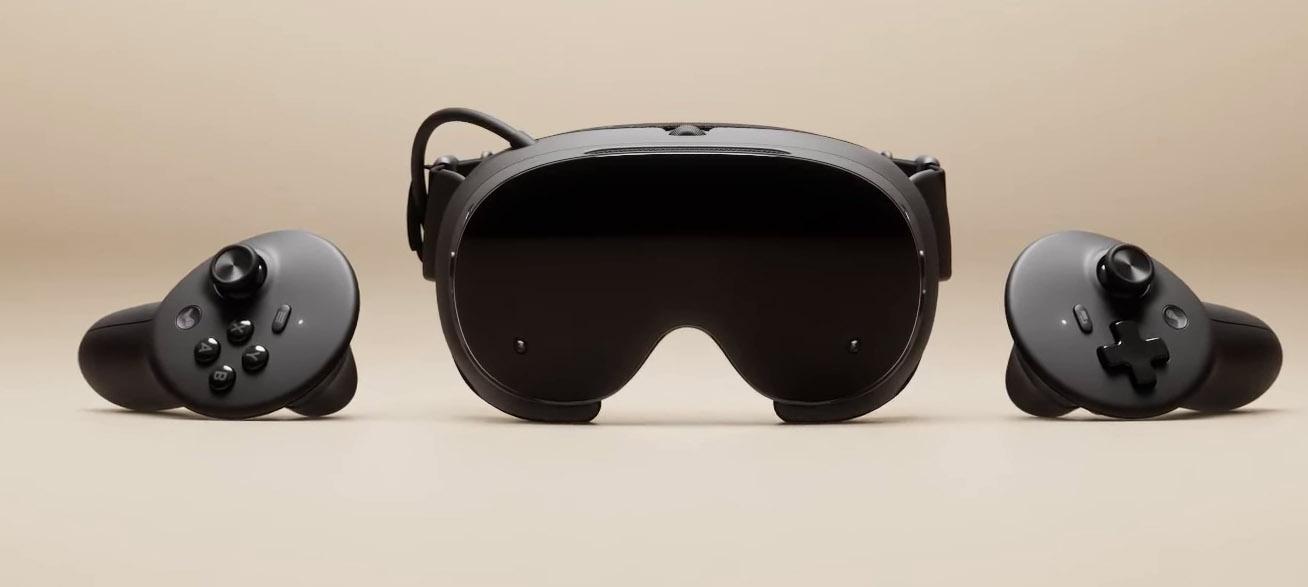 Steam Frame will likely be a hit with dedicated gamers looking to expand into VR. [Image: Steam]
Among the exciting tech specs Steam Frame offers is dynamic foveated streaming, which optimizes visual detail wherever the user’s eye is looking. Another visual boost over Steam Frame’s predecessor, Valve Index, comes in the form of micro-OLED displays delivering 4K per-eye resolution.
An exciting expansion of the Steam family of devices, Steam Frame will launch alongside Steam Controller and Steam Machine, the latter being a compact PC optimized for gaming but as versatile as any powerful PC.
Dreaming of Pimax Dream Air
 Will shipping delays cause consumers to lose interest in Pimax Dream Air? Hopefully 2026 will provide the answer. [Image: Pimax]
Pimax is known for its dedication to rich, detailed visuals at extremely high resolutions compared to its competitors. That said, the company’s next major headset product, Pimax Dream Air, is off to a rocky start. Shipping delays have pushed back opportunities for users to dive into the device, and although official sources now say shipping will begin in January, confidence in that schedule isn’t exactly high.
When it does eventually arrive, Pimax Dream Air will bring with it a lightweight form factor, 2560px per-eye resolution, eye and hand tracking, 6DOF controllers, and, depending on which version is purchased, either Lighthouse or SLAM (Simultaneous Localization and Mapping) tracking. While Pimax Dream Air shows ample promise, expectations are only getting higher for the much-delayed device.
Meanwhile, Where’s Meta?
Originally thought to be arriving in 2026, Meta Quest 4 is now expected to be much further down the pipeline. It now looks like Quest 4 won’t arrive until 2027 at the earliest, with Meta instead focusing on AR wearables and more lightweight VR devices.
One such device, Meta’s “Phoenix” mixed reality glasses, was also pushed back from its original expected launch date. Like Quest 4, Phoenix is currently anticipated to land sometime in 2027.
 Meta has pushed back Quest 4 and its “Phoenix” MR glasses until 2027. [Image: Meta]
2026 may not be as devoid of new Meta hardware as it currently looks, however. There are rumors circulating that a “limited edition” wearable codenamed “Malibu 2” is likely to arrive sometime this year. Although nobody quite knows what “Malibu 2” might be.
From high-res cinematic displays to more intuitive control, advanced tracking, and lightweight wearables, the outlook for VR, AR, MR, and XR products bodes very well for VR porn fans.
Could 2026 be the year the VR/MR industry rises above AI’s current dominance of the discourse? As with all things, only time will tell.